
How to Keep Your Sh*t Together During IVF
Estimated read time: 10 minutes
Last updated: August 23, 2026
IVF is controlled chaos. Multiple medications. Specific timing. Monitoring appointments in between work or other obligations. Phone calls with results that determine next steps and impact how you feel the rest of the day, or week. Partner schedules to coordinate. And somehow, you have to just continue. Life doesn’t slow down when you’re navigating infertility.
You’re support to track all of it while also being pumped full of hormones that make you feel foggy, emotional, and exhausted.
I tried to “just remember” things at first. That lasted about three days before I had a meltdown in my clinic parking lot trying to remember if I’d taken my morning estrogen.
Here’s what I learned: you need a system. It’s too much to hold all in your brain.
These are the organization strategies that actually worked for me—for medications, appointments, life logistics, and trying to stay sane.
Jump to:
Medication Organization
The Central Medication Location
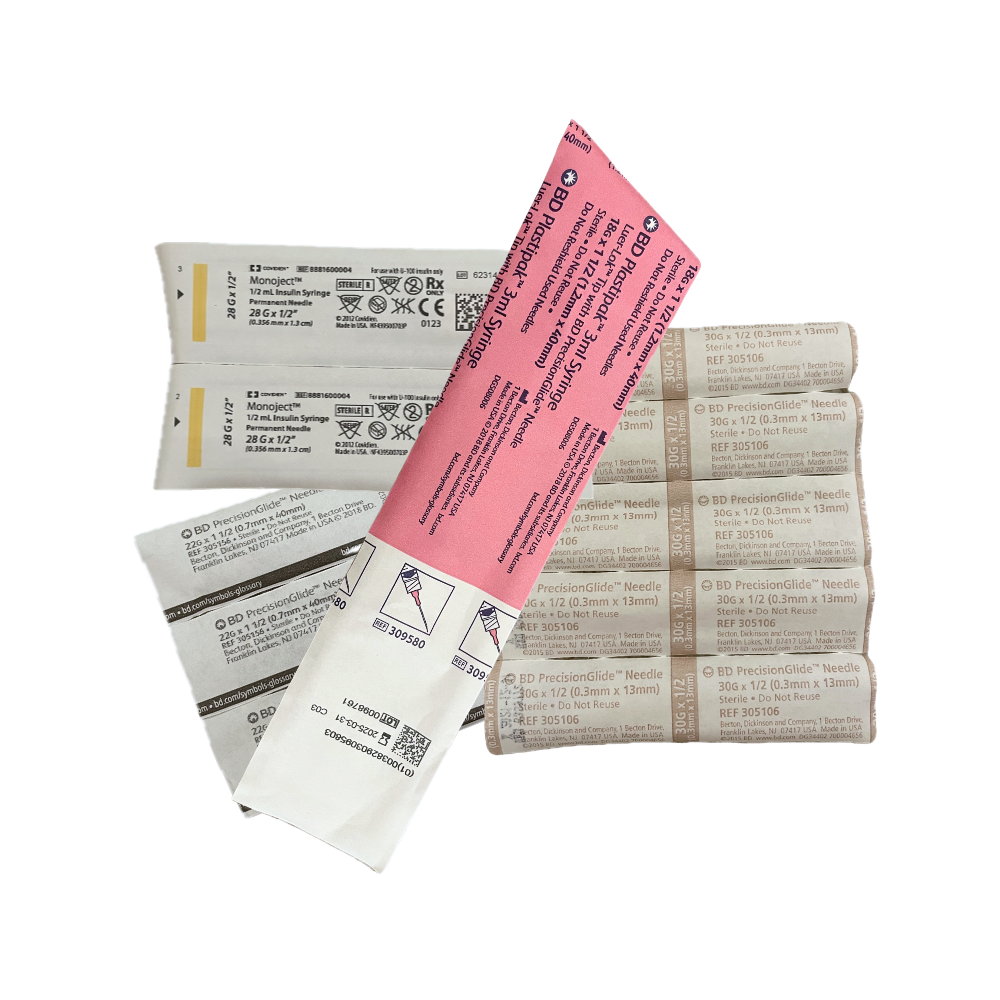
What it is: One dedicated spot where all the medications and supplies live.
Why it helps: At injection time, especially when you are tired, you don’t want to be hunting for supplies. Everything in one place makes it automatic and lessens the mental load of trying to remember where you put that “one thing”.
What to include:
Current medications (along with list of refrigerated one, if your med location isn’t near the kitchen)
All injection supplies (syringes, alcohol wipes, bandaids)
Sharps container
Tracking sheet/tracking notebook
Protocol sheet or calendar (printed)
Timer or phone charger
Comfort items (heating pad, numbing patches or cream)
Ideal location:
Somewhere you pass daily (bathroom, bedroom, kitchen counter)
Well-lit area
Near an outlet for the heating pad
Counter space for laying out supplies
How to keep it together:
Restock weekly: pick a day to check and stick to it
Throw away empty vials or packs immediately and grab a new one
Keep tracking sheet up to date
Clean and organize in between cycles or preps
The Refrigerator System
What it is: A dedicated medication shelf or bin
Why it helps: Keep everything in one place to minimize the mental load of tracking down that one vial you need.
What to include:
Clear labeling
All medications that require refrigeration (check the packaging and reach out to your clinic with specific storage questions).
Ideal location: Top shelf, toward the back to minimize temperature fluctuations
How to keep it together:
Label medications in use vs those that are not open yet.
Mark the box or container with day you opened it
Take a picture of your bin on day 1 so if things move around, you can restock or rearrange as needed.
The Tracking System
Here are three options, pick what works for you.
Option 1: Paper Tracking
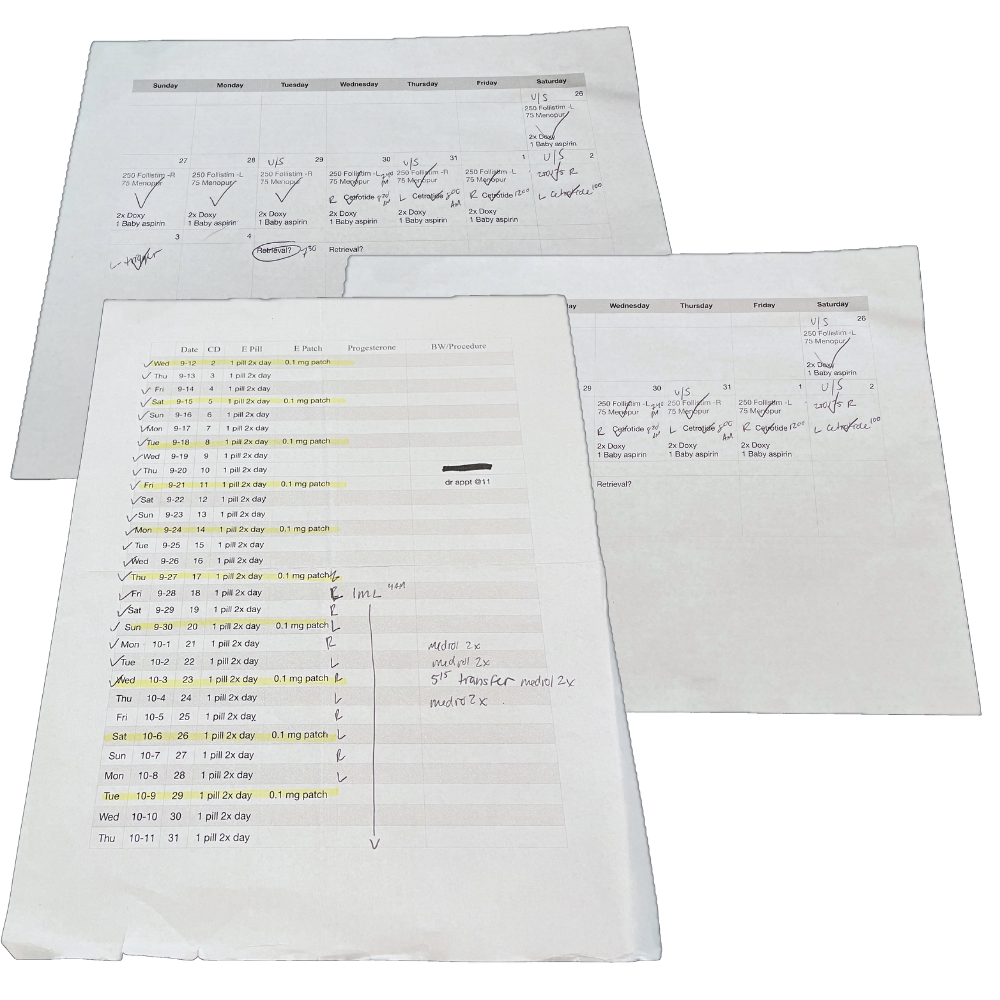
What it is: Printed fill in worksheet with checkboxes. You can make your own or find one online (like Laurel Luna’s freebie here!)
Why it helps: It’s a paper checklist/calendar where you can physically check off when you’ve taken your medication. Its visual at a glance and easy to throw in your bag to bring to appointments.
How to use:
Print a new one weekly or by cycle depending on how its organized.
Fill it out as you take your medication.
Ideal location: Keep it by your medication location.
Option 2: Photo Documentation
What it is: Take photos before and after medications are taken.
Why it helps: It’s a visual cue to know you took your medication and also proof of dosage.
How to use:
Draw up medication or place pills on the counter
Snap a photo.
Take your medication.
Save all photos to a dedicated album, like “IVF Meds”
Ideal location: Use your phone. It’s most likely nearby or in your pocket.
Option 3: Medication App
What it is: An app downloaded to your phone to help you track your medicines and dosages.
Why it helps: Digital tracking means you don’t need to print anything, you just need a phone or computer. Some apps have alarms built in to remind you to take your medication.
How to use: Follow app’s instructions for use.
Reminders: Keep a simple paper back up. Apps glitch, phones die. Network access can be spotty.
The Alarm System That Works
What it is: A set of alarms to make sure you don’t forget the important stuff when you’re exhausted and distracted.
Why it helps: When you are tired and foggy from the hormones, visual or auditory cues help prevent mistakes or forgetting.
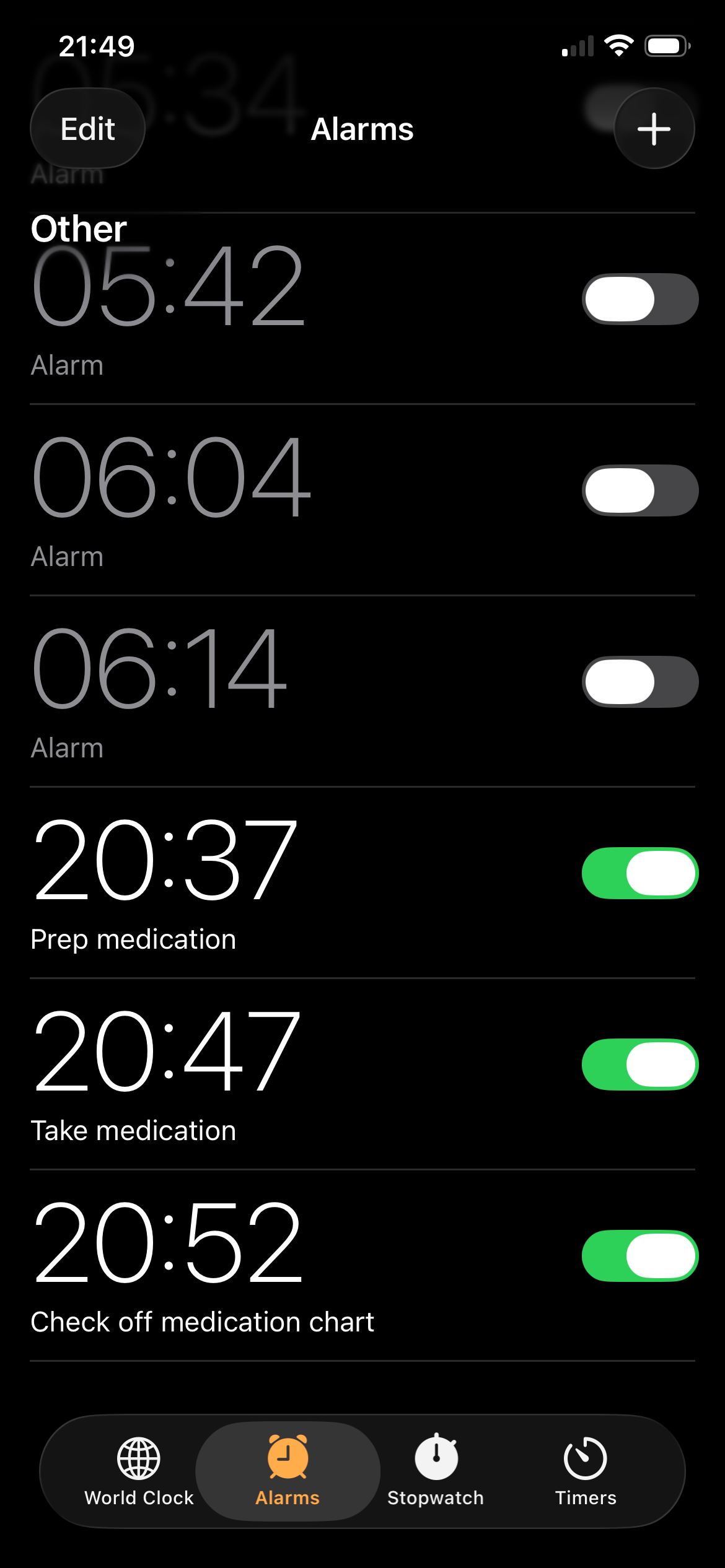
What to include: A layered set of alarms.
30 minutes before medication time:
Name: Prep IVF meds- start now
Gives you time to get supplies together, warm them from the fridge and wash hands
Actual medication time:
Name: TAKE MEDS NOW- [specific med name]
Keep in all caps, because its important
Do not snooze!
Five minutes after:
Name: Did you take meds? Confirm.
Check off the tracking sheet now, if you haven’t already
Ten minutes after:
Name: Confirm: [medication] taken at [time]?
This is your last reminder
If you see this and you aren’t sure you took your medication, check your tracking sheets!
Color coding system
What it is: A system to organize medications based on what time of day you need to take it.
Why it helps: When you’re exhausted, visual cues lessen the mental load and help prevent mistakes.
What to include:
Option 1- Colored tape/stickers (suggested below, or choose your own color scheme and make a key)
Morning= yellow
Afternoon= orange
Evening= blue
Bedtime =purple
Option 2- Physical separation
Use different baskets/bins/locations for different times
For example: morning meds on left, evening on the right
Option 3- Label EVERYTHING
Print labels with name, dose, time
Remake when dose changes
Stick on medication boxes or containers
Appointment Organization
The Master Calendar
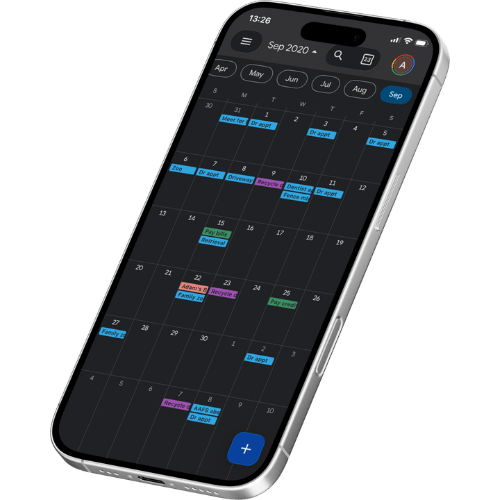
What it needs:
All IVF appointments
Partner’s schedule
Work commitments you can’t miss
Important non-IVF life events
Buffer time before/after appointments
Platform options:
Digital
Syncs across devices
Can share with partner
Automatic reminders (depending on settings)
Color coding by type
Requires phone/internet
Physical
Visual at a glance
No technology needed
Satisfying to cross off
Not easily portable
Can’t sync with partner
Hybrid (both)
Best of both---digital for coordination between you and your partner, physical is best for daily reference
Appointment Tracking Sheet
What to track:
Date
Time
Type of appointment (monitoring, consult, procedure, etc)
Cycle day
Results (follicle sizes, blood levels, lining)
Next steps/changes
Questions asked
Questions you meant to ask
Next appointment scheduled
Why it helps: When someone calls with results, it’s great to have everything in one place to reference and see patterns. It also helps to lessen the mental load to put it down on paper.
The Appointment Survival Kit
What it is: A set of items to keep in your car or bag.
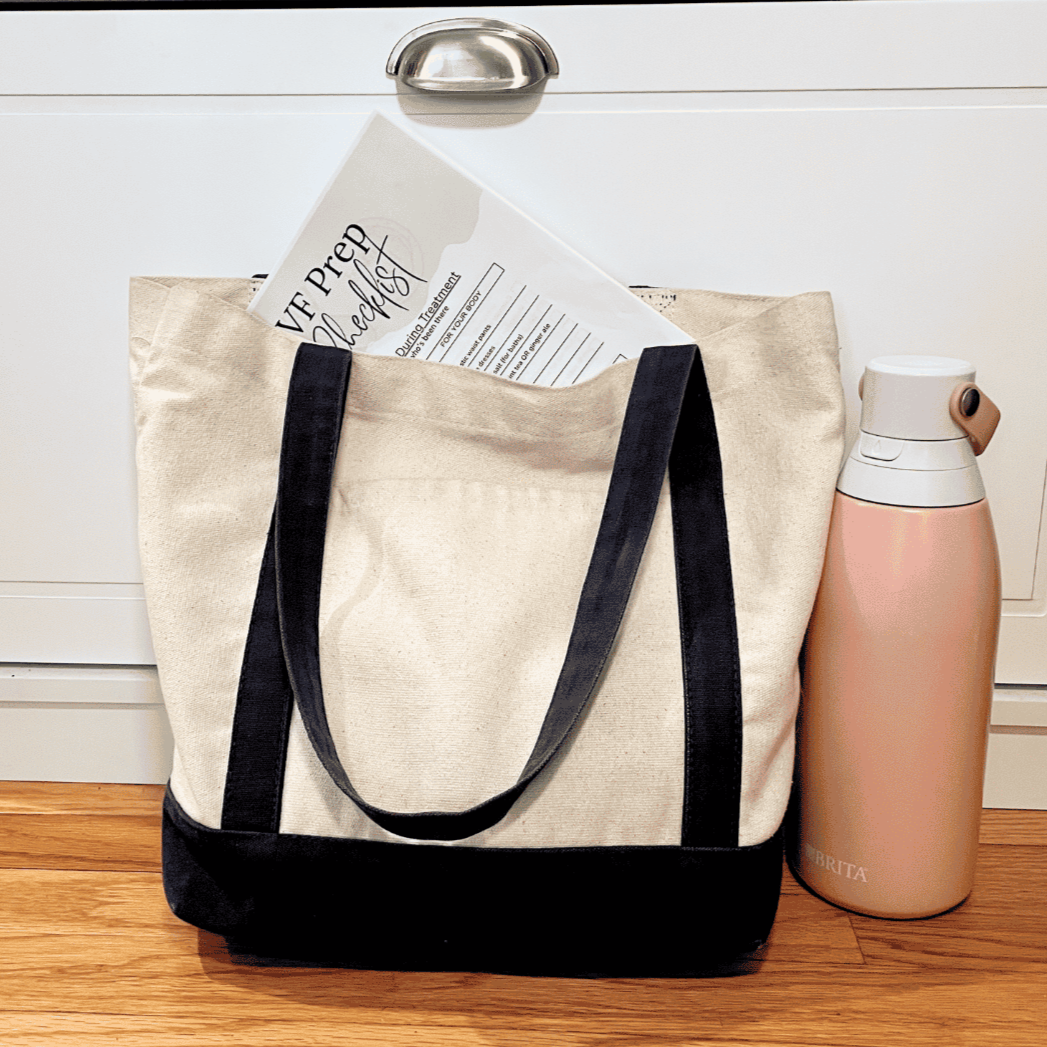
Why it helps: It makes appointments more manageable.
What to keep in your car/bag:
Water bottle
Snacks
Phone charger
Entertainment (like a kindle, word search, or sudoku)
Notebook for results and other notes
Extra pad/liner (especially after vaginal ultrasounds)
Sweater (for cold waiting rooms)
Ideal location: A small pouch in your purse or a zipper bag in your car.
How to keep it together: Do an inventory of your items from the list above about once a week or once a month, depending on appointment frequency and need.
Managing Work Around Appointments
What it is: Monitoring appointments can be every other day up to egg retrieval, sometimes on short notice. Having a handle on your schedule and open communication with your supervisor is critical.
Strategies that helped:
Communication with work
Medical appointments (no need to give details, you have sick time for this purpose)
Early morning appointments for the next X amount of time
I’ll be available by phone/email, but may be late to the office X day(s)
Give as much notice as practicable.
Scheduling tricks:
Request the first appointment slot
Go straight to the office afterwards
Work from home on appointment days, if possible
Batch work meetings for afternoon (or morning), depending on appointment time.
Managing the unknown:
Keep your calendar flexible, especially around egg retrieval and transfer
Don’t schedule critical meetings early during cycles
Have a back-up plan for important deadlines
Under-promise on availability
Life Logistics Organization
Meal Planning for IVF
Weeks before starting:
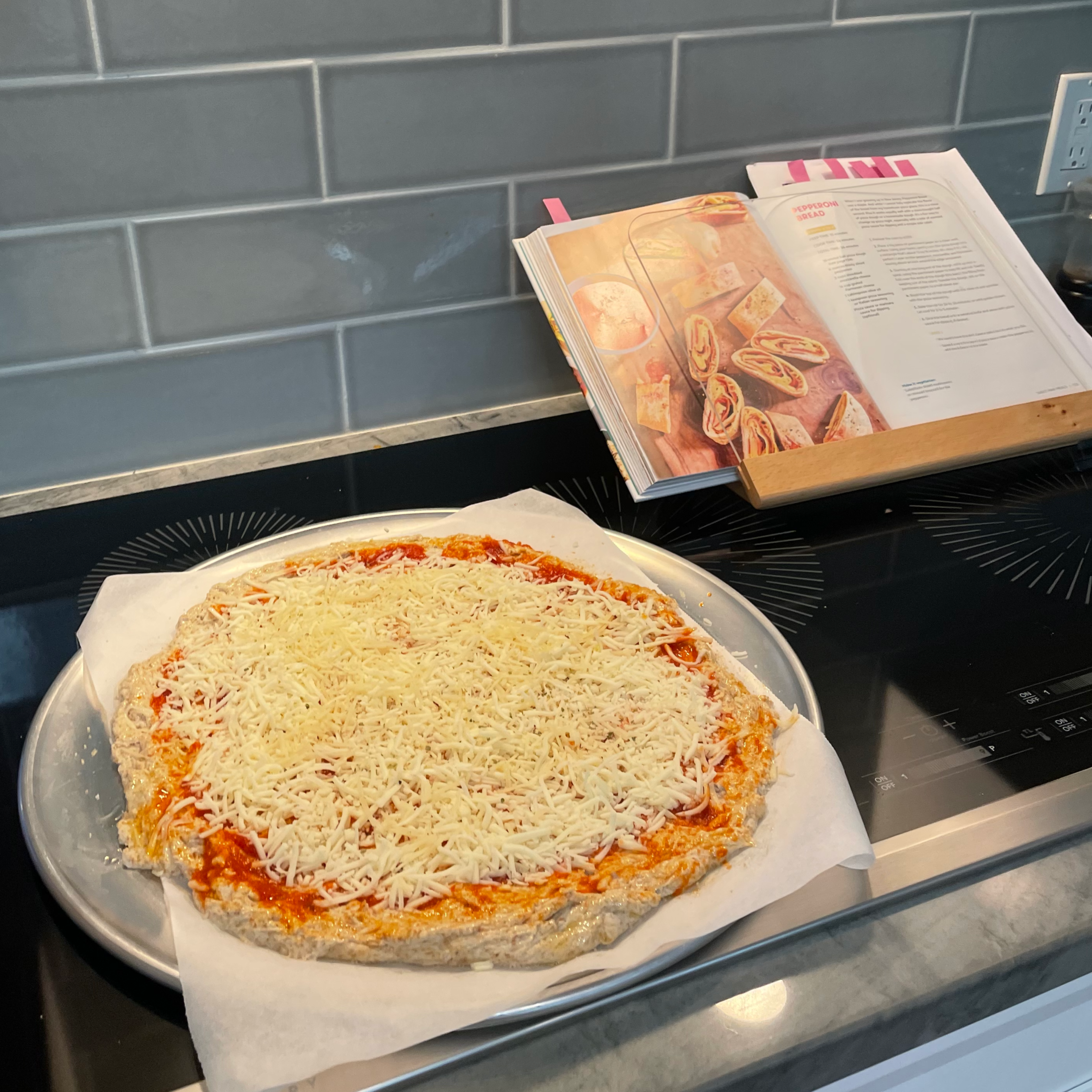
Stock freezer with easy meals
Prep grab-and-go breakfasts
Buy easy lunch options
Stock snacks you can tolerate
During stims (AND/OR):
Share cooking responsibilities
Meal delivery
Frozen meals
Post-Retrieval:
Have 3-4 days of meals prepped and ready
Pick easy to digest options
Master list of easy meals:
Rotisserie chicken+greens
Frozen pizza
Soup and grilled cheese
Scrambled eggs and toast
Pasta and jar sauce
Takeout (no shame in the feed yourself game)
Financial Organization
What to track:
Medication costs
Medical costs
Travel costs to clinic
Parking fees (if applicable)
Missed work income
Why it’s important:
Some costs may be tax deductible (talk to a tax professional)
Insurance claims
FSA/HAS documentation
Financial planning for future cycles
Budgeting in the present and for the future
How to organize:
Create an IVF finance folder
Physical folder for paper receipts and statements OR
Digital folder of all scanned documents AND
Spreadsheet for tracking everything
What to include in the spreadsheet:
Date
Vendor/Provider
Category (meds, appointments, procedures)
Amount
Insurance coverage
Out of pocket expenses
Status (Pending/Paid)
Notes
Apps that can help:
Receipt scanner apps or other document scanning apps (I like Genius Scan)
Spreadsheet apps like Google Sheets or Excel
Budgeting apps
FSA/HSA tracking (if relevant)
Support Coordination
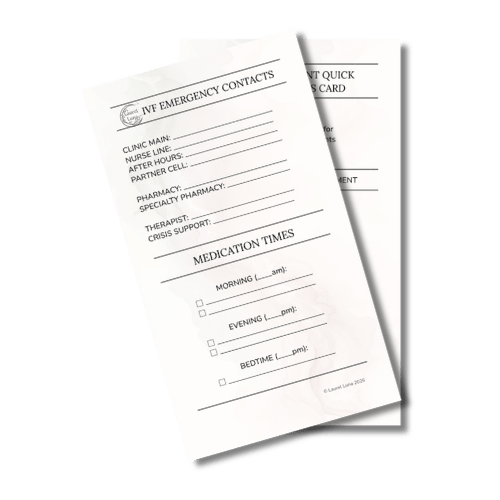
Create a contact list:
Clinic main number
Nurse line
After-hours/emergency
Partner’s work
Work contacts (supervisor or peer who knows you are out)
Back up ride home (retrieval day)
Therapist
Support group leaders
Friends who “get it”
Keep the list accessible, either in your phone or on a written list on the fridge.
The Emergency Preparedness Kit
The scenarios to plan for:
What if I’m stuck in traffic at injection time:
Keep emergency dose in insulated cooler bag in the car
Have all other injection supplies with the dose, including sharps collector
Can do the injection in a parking lot, if need
What if I get called for an unexpected appointment?
Communicate with your supervisor (you do not need to share details)
Use sick or flex time
Have appropriate clothing for clinic in car (if applicable)
Have snacks and water in your appointment prep bag
What if I’m sick?
Clinic call-ahead protocol
Back up supply of medications
List of approved medications
When to call/not call clinic (what symptoms?)
What if the power goes out?
Have a cooler with ice packs ready
Flashlight with fresh batteries to use for viewing and mixing medications
Have a backup plan for the power/fridge if the power failure is expected (ex. Due to impending weather)
Clinic’s backup plan
Information Organization
IVF Binder/Digital Folder
What belongs here:
Medication protocols (printed)
Appointment tracking sheets
Test results, if you receive hardcopies
Insurance information, including EOBs, as relevant
Copies of consent forms
Financial tracking info
Doctor questions list
Notes from appointments
Cycle outcomes
What worked/didn’t work notes
Proposed organization scheme:
Tab 1: Current cycle
Active protocol
Cycle tracking sheets for current cycle
Current appointments
Test results
Tab 2: Medical history
Test results (HSG, SHG, bloodwork)
Previous cycle summaries
Diagnoses
Partner results
Tab 3: Financial
Cost estimates from clinic/insurance/pharmacy
Receipts
Insurance claims
Payment plans (if relevant)
Tab 4: Research/Questions
Questions for next appointment
Research you’ve done
Second opinion info
Alternative options
Tab 5: Support Resources
Therapist contact
Support group info
Helpful articles
Emergency contacts
The Question System
What it is: A system for recording questions that you think of when you’re driving, right before your fall asleep, or any other random moment, and then forget before appointment time
What helps: Create a running questions list.
For the list:
Keep in Notes app on phone OR
Dedicated page in IVF notebook
Add questions AS YOU THINK OF THEM
Review night before appointments
Cross off as answered once you ask your question(s)
Consider categorization by:
Protocol questions
Side effects questions
Results interpretation
Next steps
General what-ifs
At the appointment, bring up the list immediately so you don’t forget to ask before you leave. Don’t save questions for “next time”. Write down answers right away.
Mental Organization

Decision-Making Framework
For big decisions, create a decision template or use Laurel Luna’s Big Decision Workbook to work through options.
Why this is helpful: This method allows you to weigh out your options to prevent purely emotional decision making. Future you will thank you.
What Didn’t Work
Things I tried that failed:
Keeping it all in my head
Tracking on random scraps of paper
Relying only on digital
No alarms
Not planning meals ahead
Information overload is real. Lessen that mental load and write it down. Have a dedicated system or one place where you keep all the tracking info. Don’t do everything digitally. Computers and phones fail. Have a paper back up option. I quickly learned that alarms would keep me sane and prompt me to prep and take my medication. Trying to wing it when it comes to feeding yourself results in more $$ and time spent on takeout or going out to eat.
In the end, you don’t need to be type A to be super organized through IVF. Just try to lessen your mental load so you have energy for all the other hard stuff. Each system lessens that burden so its one less thing to stress about. You are not striving for perfection, just a more prepared you.
Pick what works and skip what doesn’t. Adjust as you need to. These systems are here to help make it a little easier.
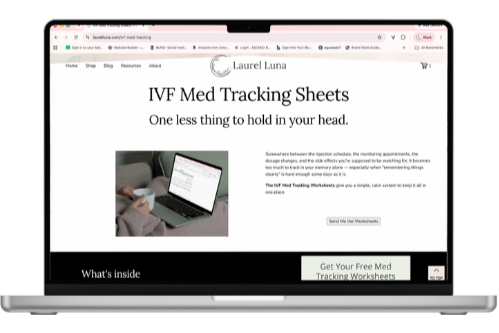
Free Download:
Check out our printable freebie med tracking sheet templates or for more in-depth tracking and symptom monitoring, we also have a medication & symptom tracker in our shop.