The Two-Week Wait Survival Guide: What You Actually Need
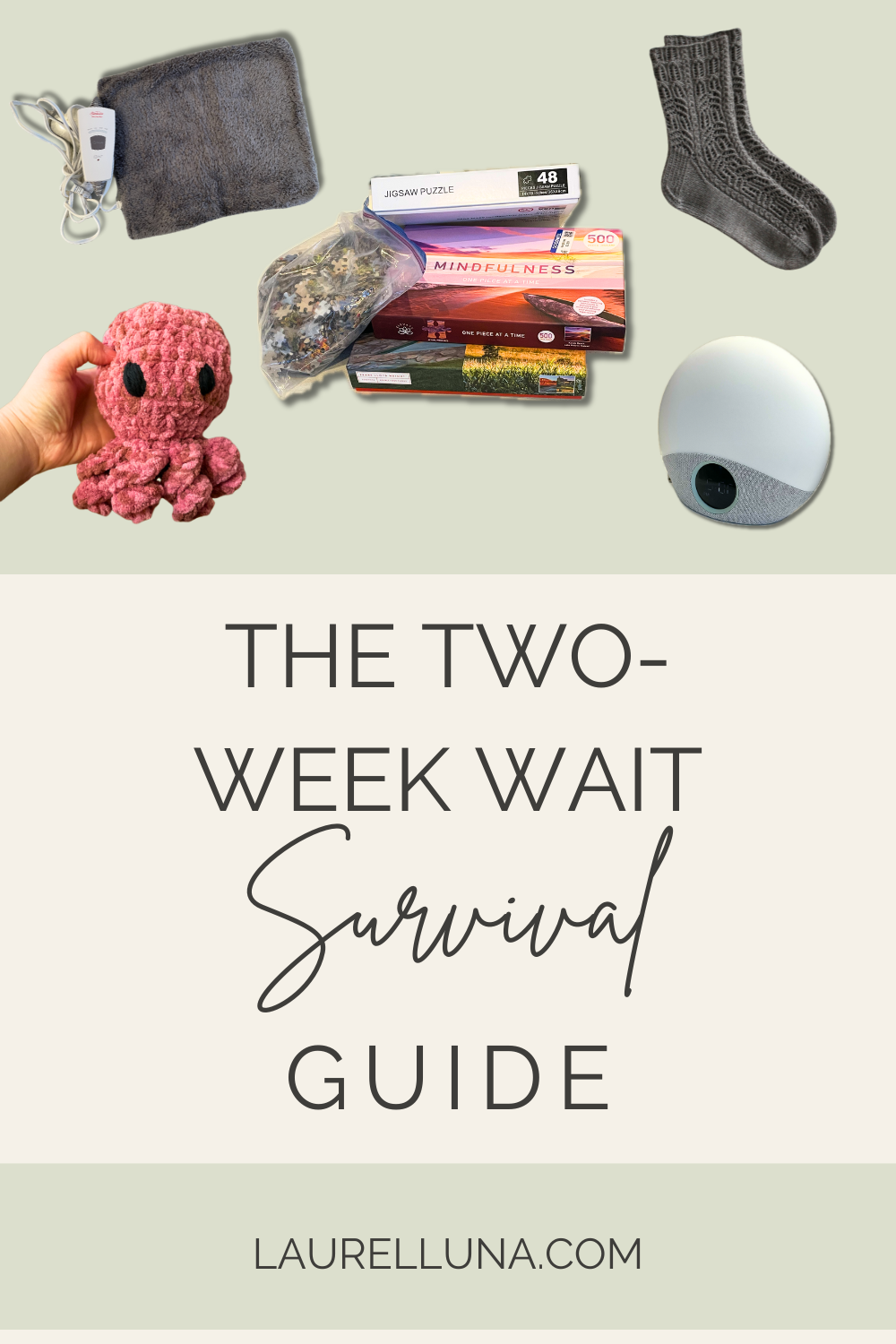
The two-week wait is its own special kind of torture. You've done everything—the shots, the procedures, the monitoring, the uncertainty. And now? Now you wait. For ten to fourteen days that somehow feel longer than all the months before them combined.
You can't control the outcome. But you can control how you survive the wait.
After multiple TWWs (and learning the hard way what helps and what doesn't), here's the survival kit that actually made a difference—the items, practices, and strategies that helped me get through without completely losing it.
Full disclosure: some of these are affiliate links, which means I may earn a small commission if you purchase through them (at no extra cost to you). I only recommend things I actually used and/or found helpful.
The Foundation: Distraction Tools
Entertainment Planned
During TWW, it’s hard to focus on anything complex. But you also can't just sit with your thoughts 24/7. I enjoyed escaping into my favorite shows— The Office, Parks and Rec, and The Good Place.
What to have ready BEFORE transfer:
TV shows (comfort rewatches): Ready to binge guilt-free
Books: Easy reading or rereads of favorites. I reread the Hunger Games series and picked up some beach reads from Elin Hilderbrand.
Podcasts (downloaded): Something funny, distracting or engaging. My personal go to is Mugglecast.
Movies (queued up): New, ready to stream or comfort classics. If you don’t own them, the library is a great place to check out DVDs.
I highly recommend pre-downloading or adding to your “watch list” before your TWW. Decision fatigue is real. When you're anxious, even picking what to watch feels overwhelming.
Puzzles & Brain Games
Puzzles and brain games occupy your brain without requiring emotional energy. Mindless enough to be soothing, engaging enough to distract.
What I recommend:

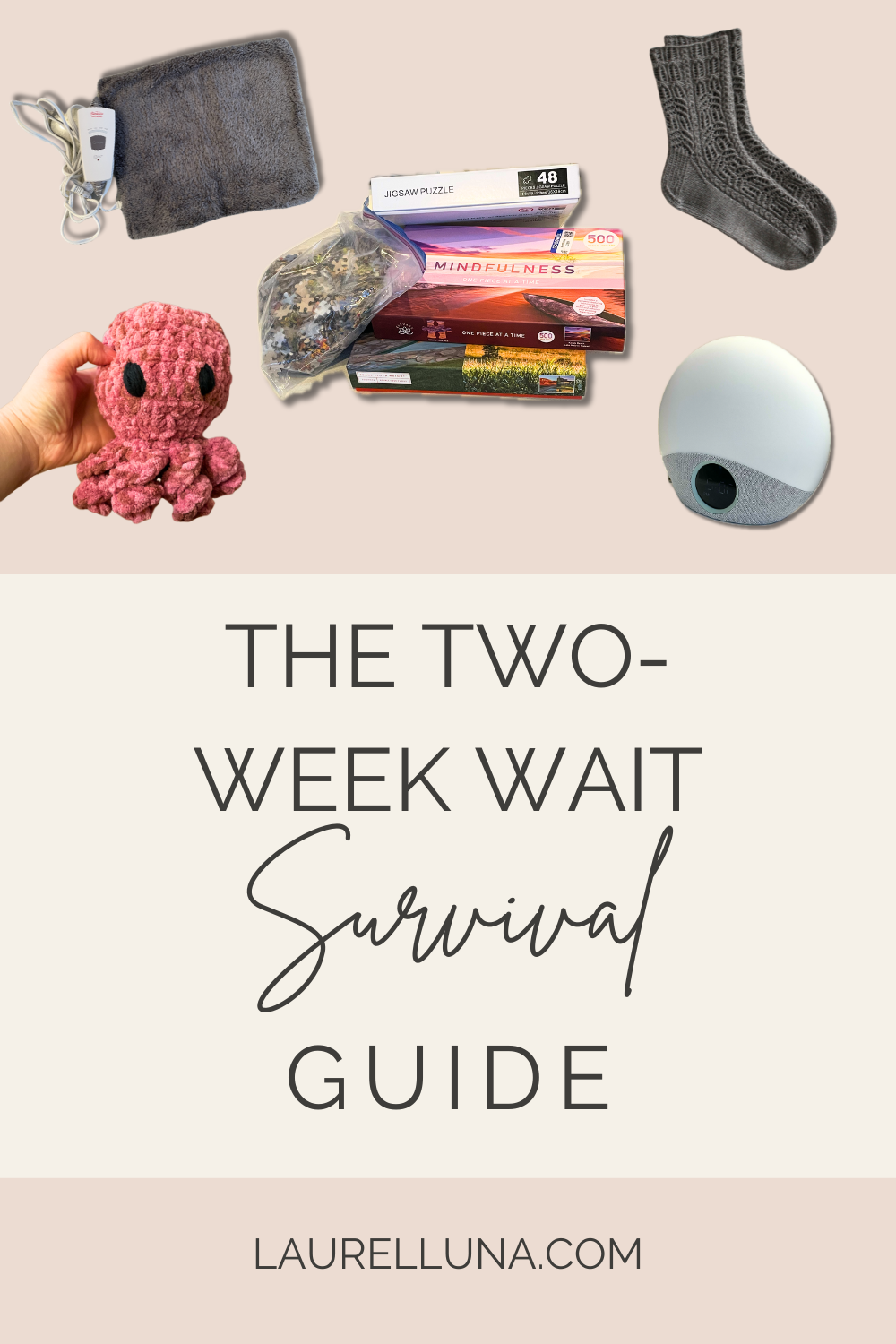
Jigsaw puzzles (500-1000 pieces). We love to pick up puzzles from Goodwill. We also love these.
Sudoku books
Crossword puzzles
Word searches
Phone games (no shame)
Rummikub or other brain games
Puzzles or games are great for nights when you can't sleep, when you are waiting for an important call, when your anxiety spikes or when TV isn’t distracting enough.
Keep them accessible—on coffee table, nightstand, in purse. Ready whenever you need them.
Craft Projects (Simple Ones)
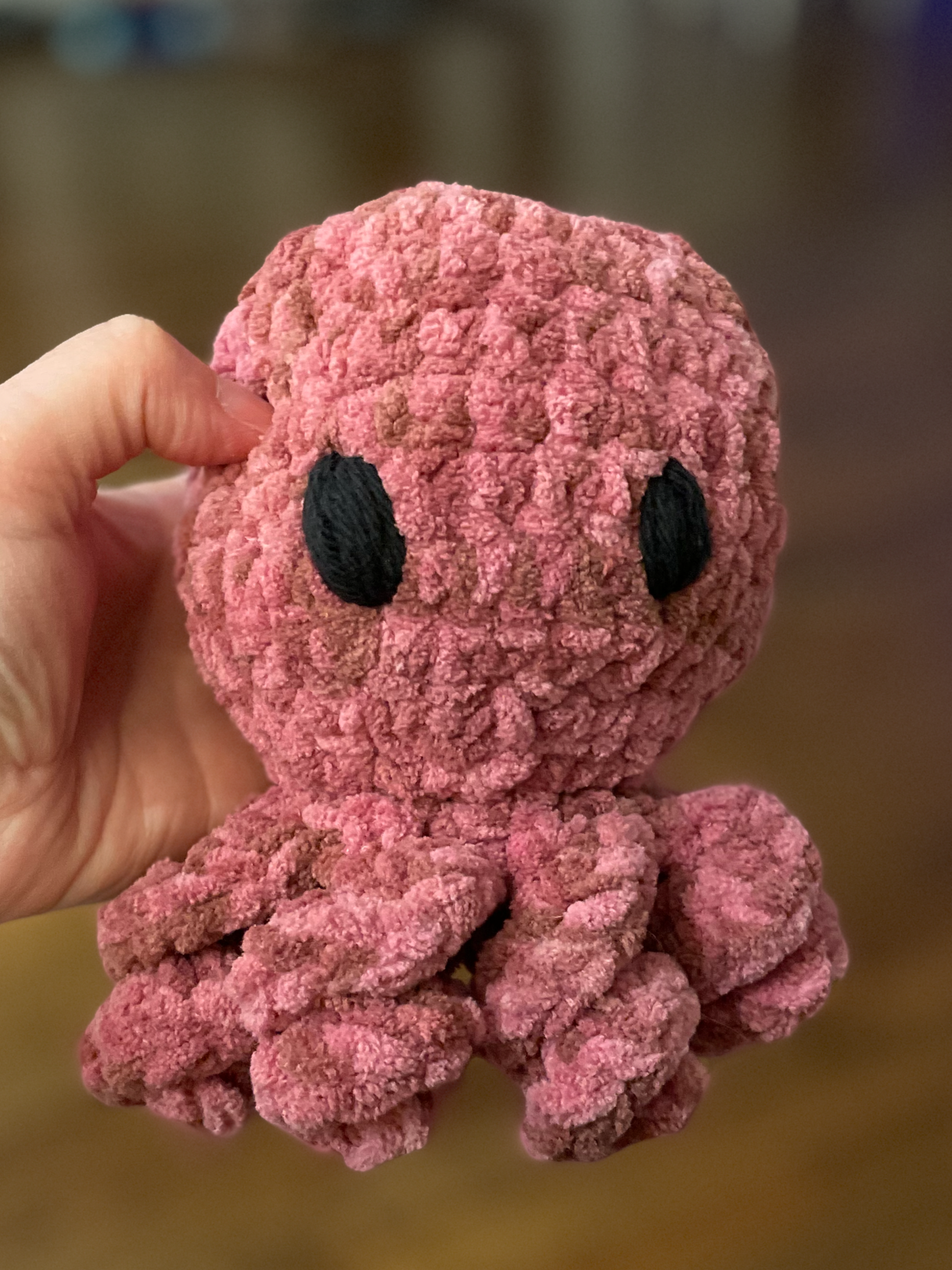
Crochet projects kept me going. They kept my hands busy and taught me new skills.
Making things helps give my hands something to do. I have something for my brain to focus on. It helps to create something tangible when everything feels out of control. I love to see the visible progress.
What to have ready:
Crochet/knitting project (simple pattern)
Adult coloring books + nice colored pencils
Simple craft kit like needle punching, embroidery, or diamond art. I’ve tried all three. I recommend starting small.
Whatever your hands like doing
Keep it SIMPLE (no complex patterns). Consider the process over the product. Be kind to yourself—don’t set deadlines or strict expectations and don’t feel guilty if you abandon your project.
Physical Comfort Items
Comfy Clothing
Prioritize your comfort. Wear what feels good. That could be:
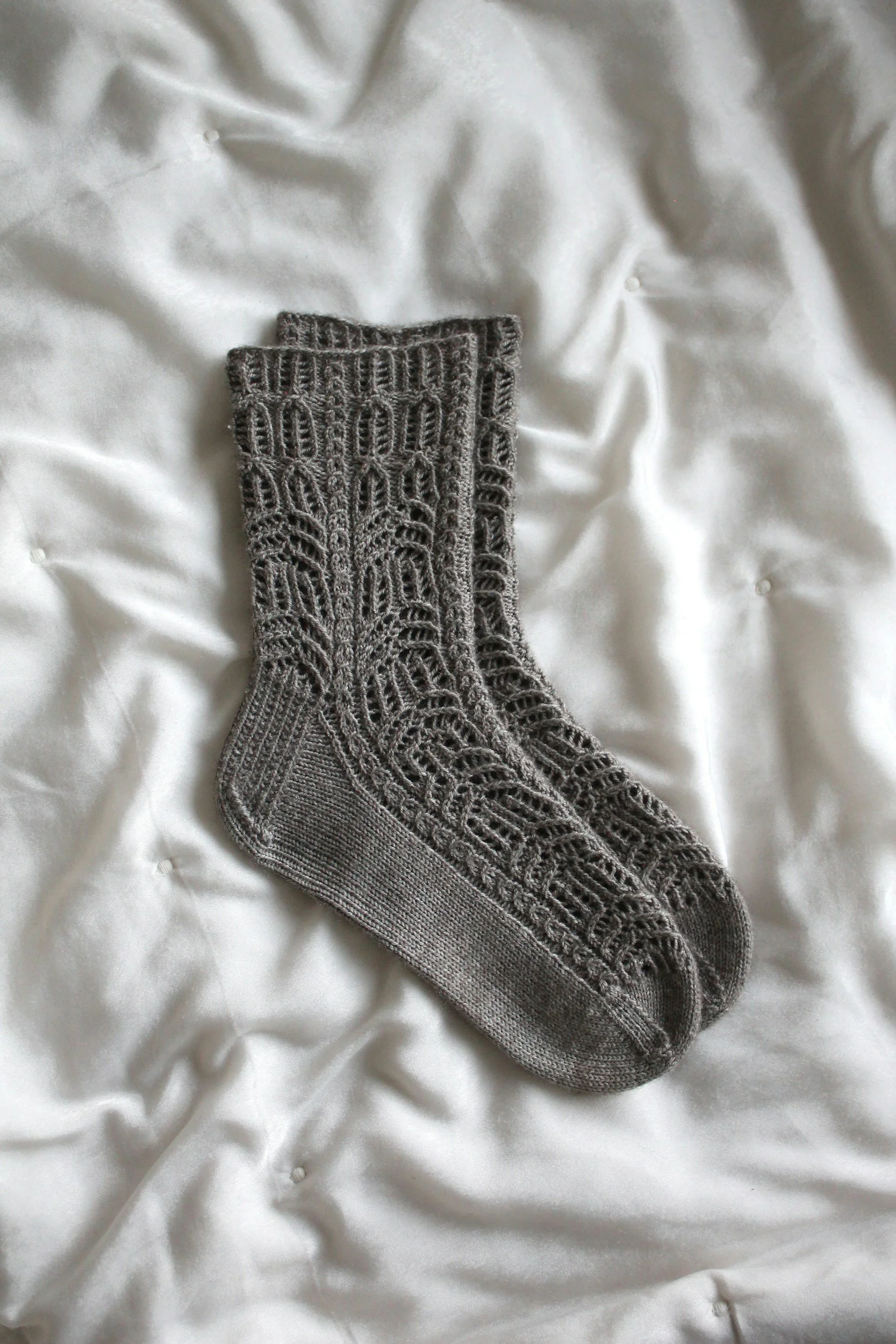
Soft, loose pants (elastic waist) or stretchy yoga pants
Comfortable bras (or no bras)
Layers (temperature fluctuates)
Progesterone causes bloating. Your body feels weird. Wear the stretchy pants and flowy shirt, if that’s what feels good.
Plan ahead and map out:
Multiple comfortable outfits
Clean loungewear
Soft everything
Heating Pad (Again)
As I’ve said before, the heating pad is truly a GOAT while navigating fertility treatment and beyond. Use it for soreness, comfort, or warmth. Follow your provider’s guidance for use of heating pads after a transfer.
The Perfect Nest
Create your comfort zone. For lounging or resting. For the couch or bed:
All the pillows
Side table within reach (water, phone, remote)
Charging cable nearby
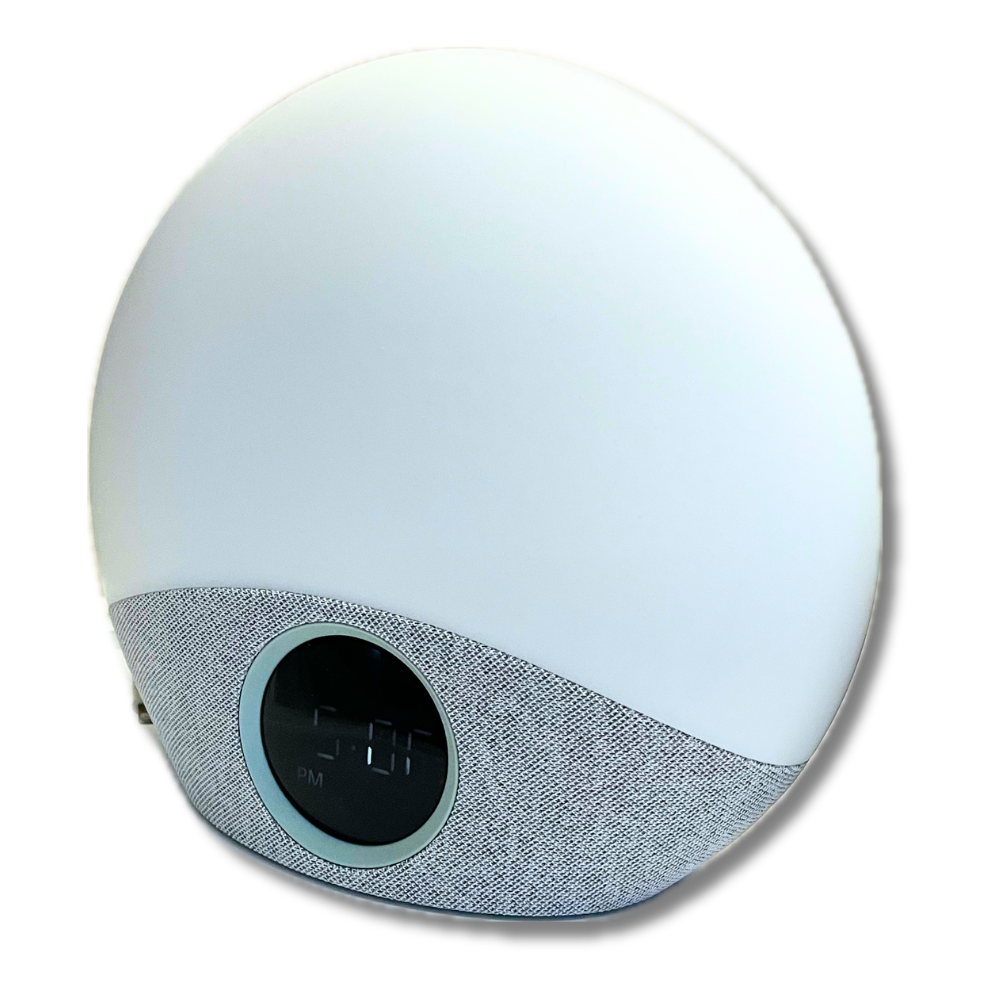
White noise if needed. I love my white noise, sunrise alarm clock. →
Book light (if partner's sleeping)
Water bottle
Make it comfortable. No getting up 47 times for things you need.
Managing the Mental Spiral
The "What If" Notebook
What it is:
Dedicated place to write all the spiraling thoughts so they're not just looping in your head.
How to use:
When anxiety hits, open notebook
Write down the spiral
All of it, uncensored
Get it out of your head
Close notebook
Move on to distraction
What to write:
What if it works?
What if it doesn't?
What if I feel X?
What if that twinge means Y?
Every worry, big and small
Why it helps:
Externalization. Once it's written, your brain can let go of holding it.
Symptom Tracking Sheet (With Reality Check)
You can create your own or use the one I’ve created here. You can track how you’re feeling, any symptoms and also your medication schedule.
Support Systems
Your People
Let your people support you through this. Whether its your partner, sibling, or a co-worker. Knowing who you can count on for a check in, distraction, or to help you navigate beta news before it happens will ease your mind. Knowing your team exists helps.
Support Group Check-Ins
Sometimes it helps to talk to someone who gets it. Seek out support groups to lean on during TWW. This could be:
TWW-specific threads/groups
Friends in it RIGHT NOW
Shared understanding. No explaining needed. Engage and disengage as needed. Your needs come first.
Planning for Both Outcomes
The Beta Day Plan
Before beta day, decide: Where will you be for the call? What's the rest of the day look like?

If It's Positive
Think about:
Who you'll tell first
How you'll tell them
What appointments happen next
What continued medications mean
Realistic expectations (long way to go)
If It's Negative
Consider:
Support person with you
Plan to get through first 24 hours
Therapist appointment scheduled
Permission to grieve
If It's Complicated
"Grey zone" betas, if it’s low but positive, not doubling right, everything is just uncertain.
What you need:
Someone who can sit in uncertainty with you
Information about what happens next
Permission to feel
Support for whatever unfolds
What To Do With Urges
The Testing Urge
Testing early is a decision only you can make. Protect your heart. There is no right answer, only what is right for your.
You may want to wait for beta if:
False negatives would devastate you
Uncertainty of lines would torture you
You'd rather preserve hope
Not testing helps anxiety
You may want to test early if:
Not knowing is worse than bad news
You want to prepare yourself
You can handle ambiguity of early tests
It helps your anxiety
If you test, have support ready. Remember: early negatives can be false. Positives can be faint. Have plan for either result. Ultimately repeated betas will be the most informative.
The Symptom Analysis Urge
You're going to do it: Everyone symptom-checks. Everyone. There are ways to manage through it. Acknowledge the sensation, understand that some symptoms may be connected to your medications. Tracking the sensations, symptoms, or feelings may give you the feeling of control. Limit the spiral. Try not to Google.
What Doesn’t Help
Things people suggested that made it worse:
❌ "Just don't think about it"
Not possible. Not helpful.
❌ "Stay positive!"
Forced positivity increases stress.
❌ "It'll work if you relax"
Stress doesn't prevent pregnancy. Stop.
❌ Keeping super busy
Sometimes distraction helps. Sometimes exhaustion makes it worse. Know yourself.
❌ Excessive Googling
Never helps. Ever. But you'll do it anyway.
The Truth About the TWW
It may be hard. There's no hack that makes it easy. You may symptom-check. Even though you know it's meaningless. You may spiral.
That's normal, you’re not a failure. Time will move weirdly. Sometimes slowly and then suddenly it will speed up. You'll alternate between hope and dread. Sometimes hourly. And you'll get through it. Day by day. Hour by hour if needed. The two-week wait survival kit isn't about making it easy—nothing can do that.
It's about having tools ready so you're not scrambling in the moment.
Distraction when you need it.
Comfort when you need it.
Support when you need it.
Structure when everything feels chaotic.
You're doing something incredibly hard. You deserve whatever helps you get through it. Gather your kit before transfer. Set up your support. Make the plans. And then take it one day at a time.
You've got this. Even when it doesn't feel like it.
-A